Seaspension | Proven ways to reduce boat impact shock for smoother offshore rides

Buy now, pay later. Finance your purchase with PayPal. --  Learn More

phone iconemail icon
Seaspension | Proven ways to reduce boat impact shock for smoother offshore rides
SHOP
0
SHOP
0

Proven ways to reduce boat impact shock for smoother offshore rides

Luxurious boat control cabin with white leather seats, steering wheel, gear lever and on-board computer.

Offshore impact shock is rarely caused by one thing. It is usually the result of wave shape, speed, hull running angle, load distribution, and how the boat re-enters the water after leaving the surface—whether you’re running the ocean, making river transits, or pounding home after a long day of fishing.

The good news is you can reduce shock quickly with better setup and driving, then compound the gains with hardware upgrades that address the remaining vibration and vertical acceleration that your body still absorbs (and that can quietly add stress to your back, knees, and other joints).

What boat impact shock really is (and why it feels worse offshore)

Impact shock is the rapid vertical deceleration that happens when the hull meets the water again after slamming, skipping, or launching off a wave. On planing boats, the cycle often looks like this:

  1. The boat climbs a wave face.
  2. The hull partially unloads (reduced support from the water).
  3. The boat lands with a high-rate impact.
  4. The impact energy travels through the hull, deck, seat base, and into the occupant.

This is not just “discomfort.” Repeated impacts can increase fatigue, boating fatigue, reduce control precision, and shorten how long a crew can operate effectively in rough conditions (especially when driving boat for hours in rough water). Research reviews on high-speed craft slamming describe how these impacts can also drive structural vibration and localized loads. (mdpi.com)

The main causes of wave slamming and harsh planing impacts

Running angle and trim that amplify re-entry forces

When the bow is too high, the hull can “launch” and then land flatter than intended. That flatter re-entry tends to transmit higher accelerations (boating g forces and wave shock) into the structure and the seat. Trim-control devices (trim tabs and interceptors) are widely discussed as tools to reduce excessive trim angle and manage vertical motions, though “optimal” settings vary by sea state and speed. (mdpi.com)

Speed-to-sea-state mismatch

A planing boat can feel smooth at one speed and punishing just a few knots faster or slower, because the encounter frequency (how often you hit wave faces) changes. When that frequency lines up poorly with hull dynamics, the boat starts to hop, slam, and re-impact more violently—often turning “light chop” into repeated shock.

Poor load distribution

Too much weight aft can worsen bow rise and increase the chance of launching. Too much weight forward can drive the bow into wave faces. Either way, the hull is forced into less efficient entries and exits from the water, which increases peak impacts and associated fatigue.

Prop and engine height issues (inefficient thrust delivery)

Ventilation, cavitation, and “hunting” RPM under load can create inconsistent thrust and an inconsistent running attitude. That inconsistency is a common contributor to repeated slams because the hull never settles into a stable, efficient ride—especially on small vessels - practical boat owner setups where load and gear change frequently.

2026 ride-optimization trends that actually help reduce impact shock

A lot of “boat optimization” talk focuses on speed and fuel burn, but the same improvements often reduce slamming because they improve running attitude and stability.

  • Trim optimization and attitude control: More owners are treating trim as a primary performance lever for comfort and stability, not just speed. (mdpi.com)
  • Hull efficiency focus: Stepped hulls and refined running surfaces continue to be marketed around efficiency and smoother ride characteristics. (boatingindustry.com)
  • Tech-forward upgrades: Broader marine product trends continue to emphasize new hardware and systems that improve the on-water experience, including comfort and control. (boatus.com)

A layered approach: reduce shock at the source, then protect the crew

The most reliable way to improve offshore comfort is to stack solutions. Start with what costs nothing, then address setup, then add mitigation at the occupant interface (your shock mitigation system).

Layer 1: Driving techniques that reduce slamming immediately

Use speed to find the softest rhythm
In chop, there is often a narrow speed band where the boat bridges crests instead of punching them. If you feel repeated hard hits, change speed deliberately (not randomly) and give it 15–30 seconds to stabilize. This simple boat shock mitigation strategy can produce noticeably reduced g forces without touching any hardware.

Drive the angles, not the shortest line
Quartering seas can reduce peak vertical impacts compared to running straight into steep chop. The tradeoff is time and fuel, but the payoff is often a dramatically smoother ride and less crew fatigue.

Use throttle like a suspension control
In tight intervals, small throttle reductions just before a crest can reduce launch height, which reduces landing energy. Then reapply smoothly to maintain control and steerage, especially as you approach a turn where timing matters.

Stand or “unweight” when appropriate (safely)
Experienced operators often avoid taking full impact through a rigid seated posture. If you do this, keep a stable stance, secure handholds, and do not compromise safe control—particularly in the unforgiving world of fast offshore conditions.

Layer 2: Trim and attitude adjustments (where most comfort gains come from)

Trim in to reduce bow rise and keep the hull engaged
Over-trimming out can feel fast, but it often increases launch-and-land cycles. Moderate trim-in typically helps the bow re-enter more progressively.

Use trim tabs or interceptors to correct attitude and porpoising
The goal is a stable running angle that avoids repeated oscillations. Literature on planing craft safety and slamming discusses the role of trim control in reducing severe motions, with the reminder that wave conditions change what “best” looks like. (mdpi.com)

Balance side-to-side
A small list can make one chine hit harder, creating asymmetric impacts that feel worse than the sea state suggests.

Layer 3: Prop and setup tweaks that smooth thrust and stabilize the hull

These changes are boat-specific, but they are often the difference between a boat that “hunts” and a boat that runs composed in chop.

  • Prop selection for load-carrying control: In many offshore use cases, slightly lower pitch (or different blade geometry) can help keep the engine in its torque band and reduce repeated surge-and-drop behavior in waves.
  • Engine height/jack plate tuning: If your setup ventilates easily, the boat may repeatedly lose bite, drop, then slam back into the water as thrust returns.
  • Check for damage: A nicked prop, bent blade, or drivetrain vibration can add “small shock” all day long, even when the big slams are under control.

Layer 4: Hull and onboard practices that reduce cumulative vibration

Reduce loose impact pathways
Rattling hardware, loose seat mounts, and worn fasteners turn normal wave energy into extra vibration and noise. Tighten and re-bed where needed.

Manage onboard load like a stability system
Keep heavy items low and near the center of the boat when possible. A poorly placed load can force inefficient trim and increase slam severity—something that shows up fast when your gear load changes (coolers, dive tanks, fishing tackle, etc.).

Layer 5: Advanced suspension seating to protect the body from what the hull cannot avoid

Even with excellent driving and trim, offshore boats still transmit vertical energy into the occupant. This is where shock-mitigating seating becomes a practical safety-and-endurance upgrade, especially for long runs—because the shock becomes personal to your body, your knees, and your lower back.

Why seat pedestals matter (more than cushions)

A cushion can help with comfort, but it typically cannot control the high-rate vertical acceleration that causes the “jolt.” True shock mitigation requires controlled energy absorption and damping—i.e., shock-mitigation seating and purpose-built shock absorbing seats, not just foam.

What to look for in shock-mitigation seating

  • Consistent damping across conditions (not just soft on small chop)
  • No constant re-tuning for different crew weights and sea states
  • Proven reliability in professional boating and marine services where downtime is unacceptable
  • A real shock mitigation system that reduces wave shock and helps limit boating injuries over time

How Seaspension fits into a layered solution

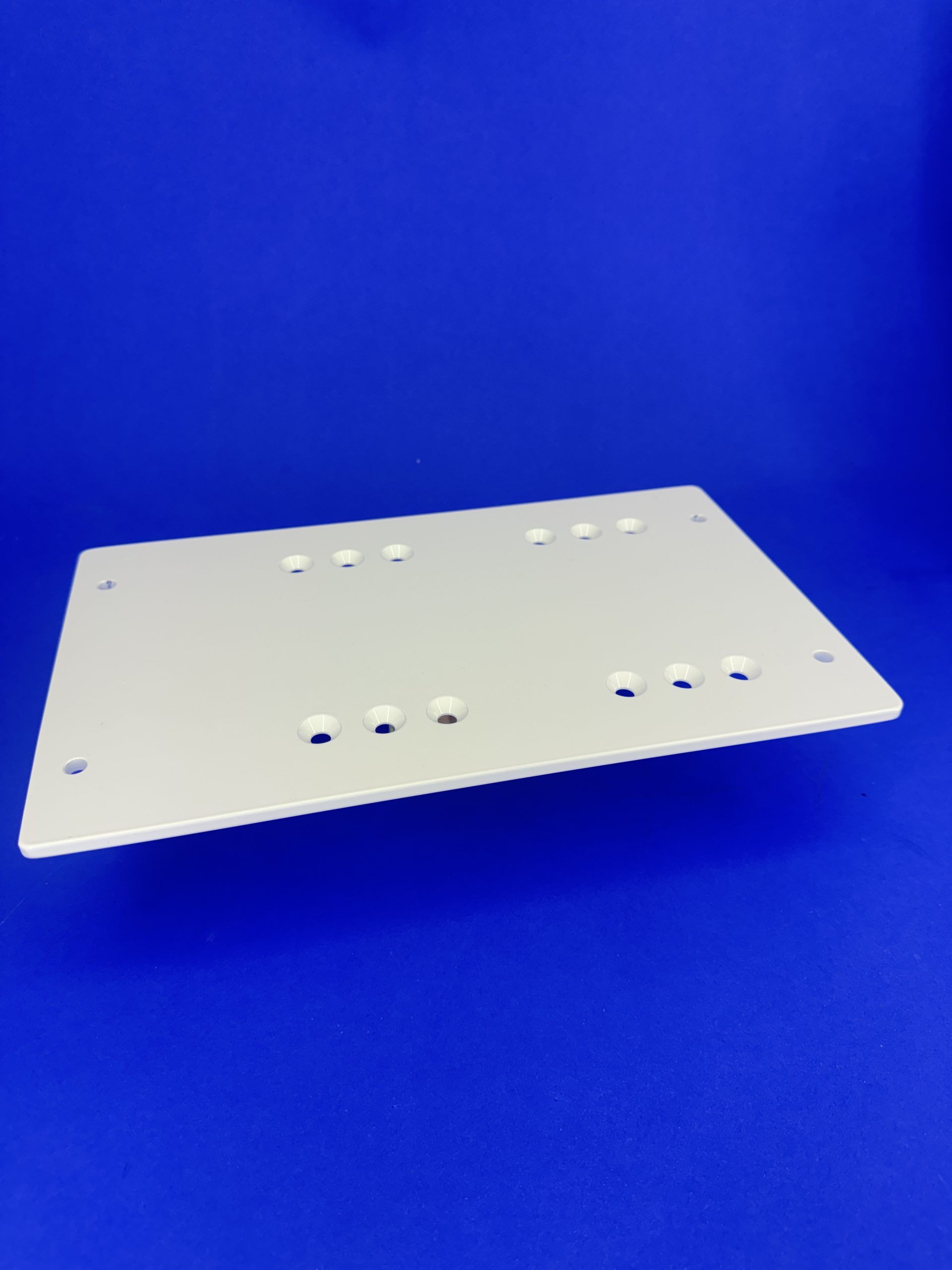
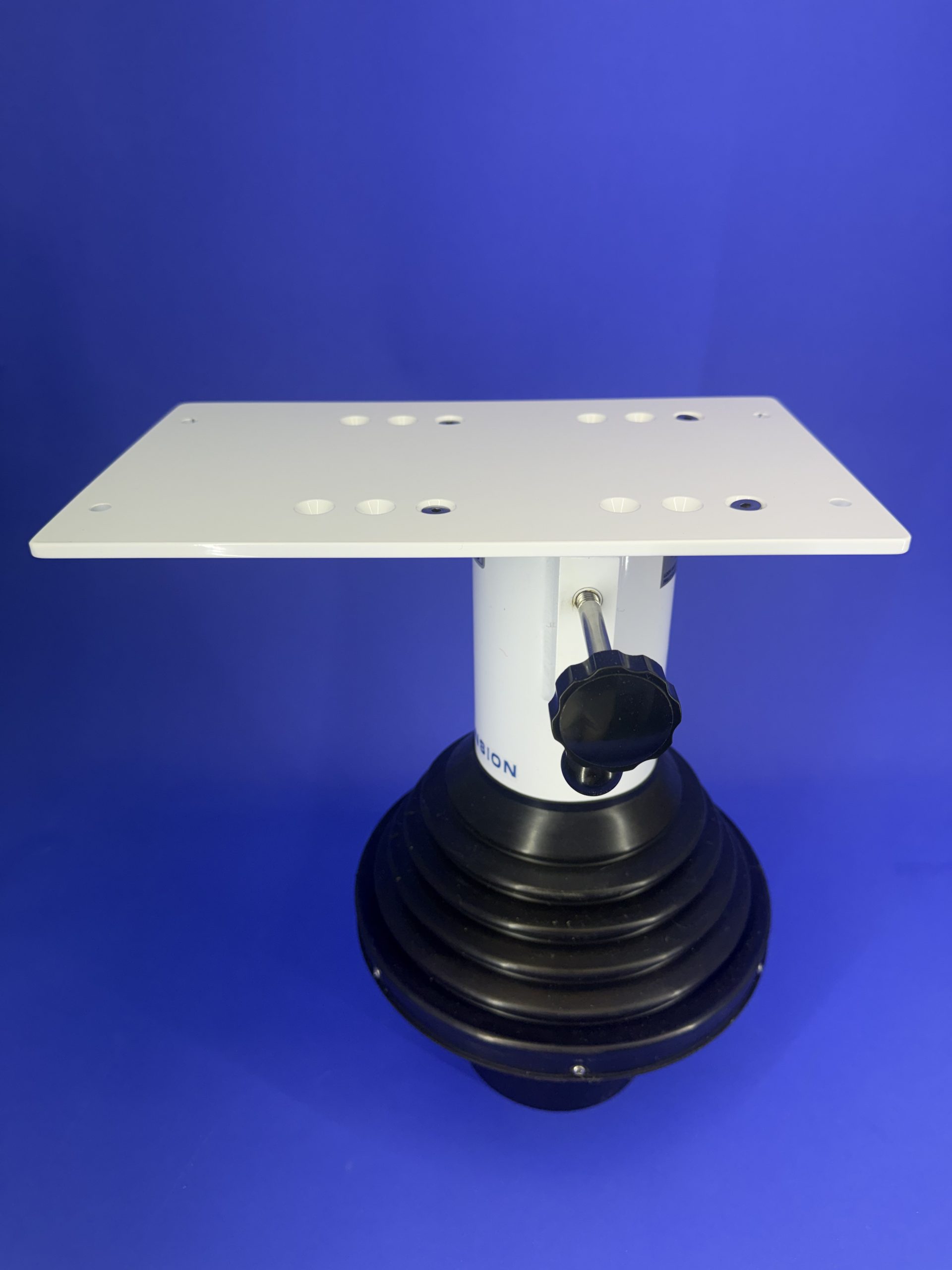
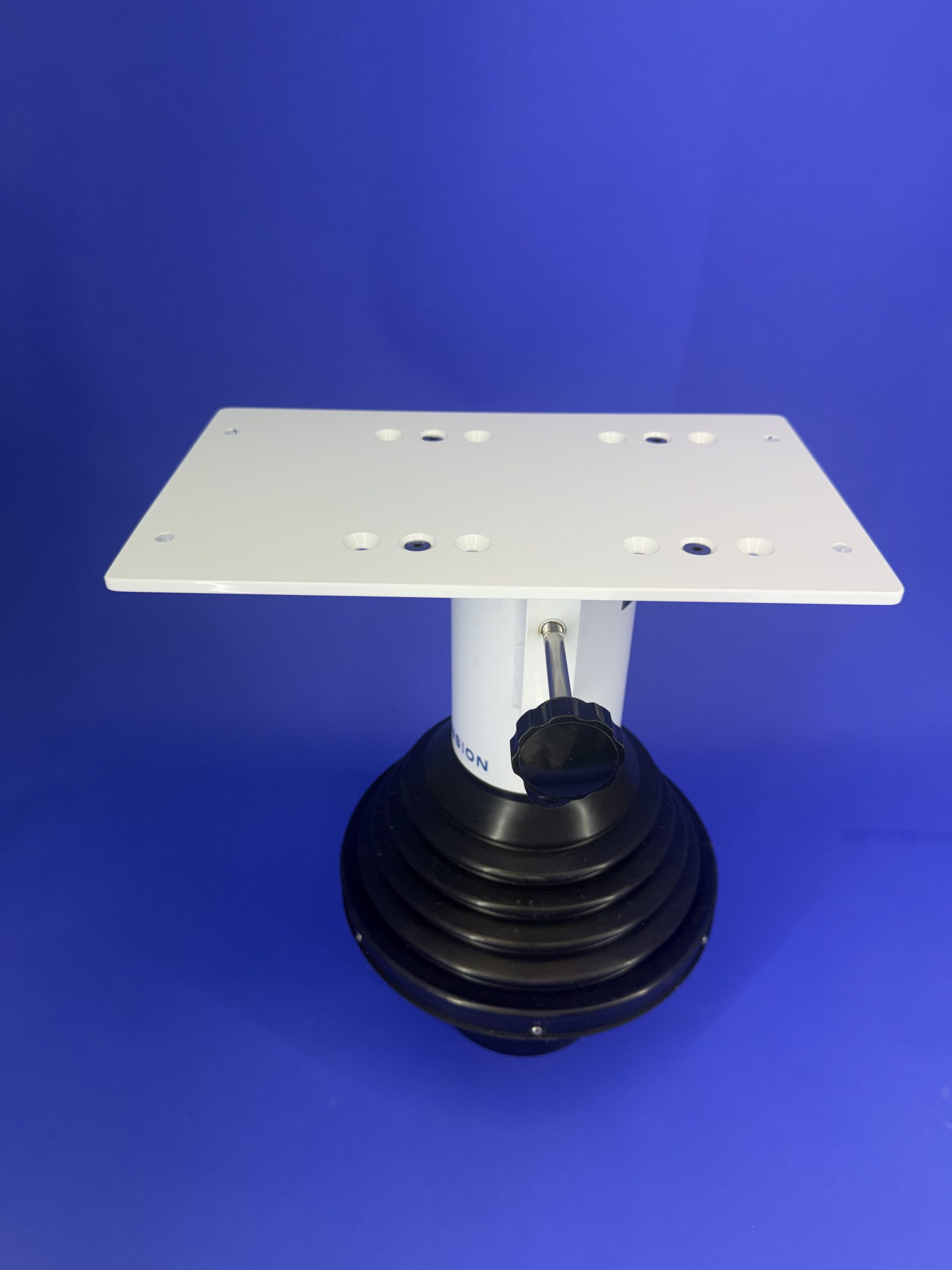
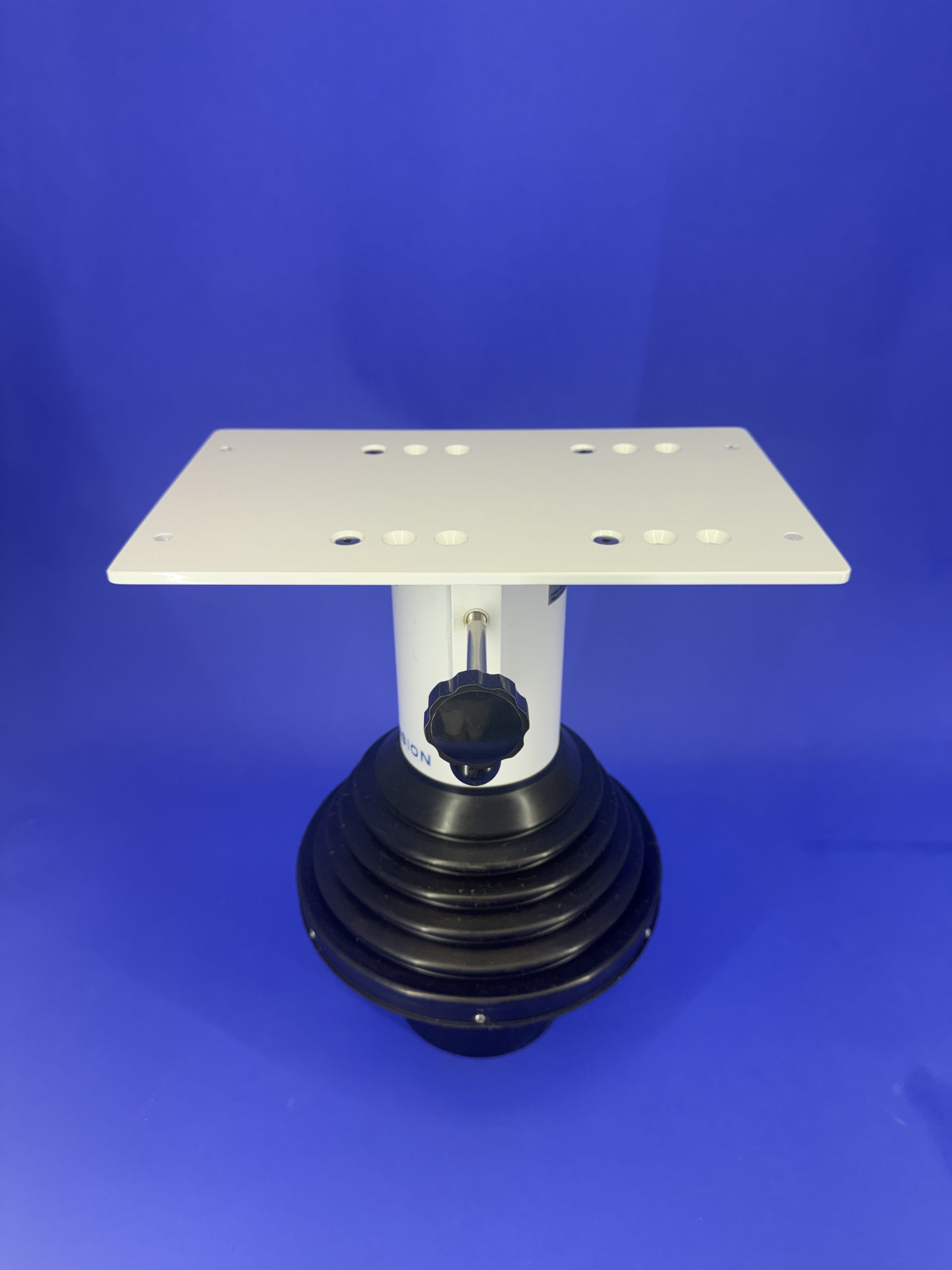
Seaspension manufactures patented hydraulic shock-absorbing seat pedestals that are designed to reduce impact and jolts transmitted through the seat. The core is a sealed hydraulic unit intended to deliver automatic damping response without the need for frequent manual adjustments. (seaspension.com)

This “set it and forget it” approach is especially relevant offshore: conditions change constantly, and operators rarely have time to fine-tune seat settings while managing navigation, traffic, and sea state. If you’re comparing shock-mitigation seating brands, you’ll also see terms like shark seating in the same conversation—what matters most is measurable reduction and repeatable control.

  • Explore Seaspension pedestal options here: Seaspension boating products
  • Learn more about the system approach: Seaspension shock-absorbing seat pedestal
  • For buyers doing broader research, it can help to review recent boat shock mitigation posts and boating how-tos in a boating forum industry news maintenance thread, then come back to your setup with a checklist.

(For reference, some owners file this kind of hardware under “seaknees boat shock mitigation boating equipment,” and you may see sea knees recap charts used to summarize symptoms vs. fixes across different boats—from an 18ft flats skiff to a 36ft rhib.)

Quick decision table: which solution fixes which type of shock?

Shock symptom you feel Most likely cause Best first fix Best long-term fix
Big “slam” every few seconds Speed/trim mismatch to wave interval Change speed band, trim in, adjust heading Add trim control refinement + shock-mitigating pedestal
Rapid, constant buzzing through the seat Vibration from hull/engine/seat base Inspect mounts, prop condition Hydraulic shock mitigation at the seat + maintenance discipline
Porpoising and repeated re-impacts Excessive trim out, poor attitude control Trim in, use tabs/interceptor Setup tuning + attitude control strategy
Crew fatigue long before the run ends Cumulative micro-impacts and posture Improve driving rhythm, reduce hard hits Shock-mitigating seating + better load and trim habits

Reducing offshore impact shock is not a single upgrade. It is a system outcome: better driving rhythm, better running angle, more stable thrust delivery, and then shock mitigation that protects the crew from the impacts the ocean will always deliver—whether you run the carolinas northeast florida corridor, georgia mid atlantic routes, or even inland big-water days like Lake Winnipesaukee when the wind stacks up.

If you want the biggest real-world improvement in how your body feels after hours offshore, combine optimized trim and setup with a proven hydraulic shock-absorbing pedestal designed to reduce jolts at the seat—where the shock becomes personal—and where “ultimate comfort - seaspension” becomes a practical outcome, not marketing.

Luxurious boat control cabin with white leather seats, steering wheel, gear lever and on-board computer.

Offshore impact shock is rarely caused by one thing. It is usually the result of wave shape, speed, hull running angle, load distribution, and how the boat re-enters the water after leaving the surface—whether you’re running the ocean, making river transits, or pounding home after a long day of fishing.

The good news is you can reduce shock quickly with better setup and driving, then compound the gains with hardware upgrades that address the remaining vibration and vertical acceleration that your body still absorbs (and that can quietly add stress to your back, knees, and other joints).

What boat impact shock really is (and why it feels worse offshore)

Impact shock is the rapid vertical deceleration that happens when the hull meets the water again after slamming, skipping, or launching off a wave. On planing boats, the cycle often looks like this:

  1. The boat climbs a wave face.
  2. The hull partially unloads (reduced support from the water).
  3. The boat lands with a high-rate impact.
  4. The impact energy travels through the hull, deck, seat base, and into the occupant.

This is not just “discomfort.” Repeated impacts can increase fatigue, boating fatigue, reduce control precision, and shorten how long a crew can operate effectively in rough conditions (especially when driving boat for hours in rough water). Research reviews on high-speed craft slamming describe how these impacts can also drive structural vibration and localized loads. (mdpi.com)

The main causes of wave slamming and harsh planing impacts

Running angle and trim that amplify re-entry forces

When the bow is too high, the hull can “launch” and then land flatter than intended. That flatter re-entry tends to transmit higher accelerations (boating g forces and wave shock) into the structure and the seat. Trim-control devices (trim tabs and interceptors) are widely discussed as tools to reduce excessive trim angle and manage vertical motions, though “optimal” settings vary by sea state and speed. (mdpi.com)

Speed-to-sea-state mismatch

A planing boat can feel smooth at one speed and punishing just a few knots faster or slower, because the encounter frequency (how often you hit wave faces) changes. When that frequency lines up poorly with hull dynamics, the boat starts to hop, slam, and re-impact more violently—often turning “light chop” into repeated shock.

Poor load distribution

Too much weight aft can worsen bow rise and increase the chance of launching. Too much weight forward can drive the bow into wave faces. Either way, the hull is forced into less efficient entries and exits from the water, which increases peak impacts and associated fatigue.

Prop and engine height issues (inefficient thrust delivery)

Ventilation, cavitation, and “hunting” RPM under load can create inconsistent thrust and an inconsistent running attitude. That inconsistency is a common contributor to repeated slams because the hull never settles into a stable, efficient ride—especially on small vessels - practical boat owner setups where load and gear change frequently.

2026 ride-optimization trends that actually help reduce impact shock

A lot of “boat optimization” talk focuses on speed and fuel burn, but the same improvements often reduce slamming because they improve running attitude and stability.

  • Trim optimization and attitude control: More owners are treating trim as a primary performance lever for comfort and stability, not just speed. (mdpi.com)
  • Hull efficiency focus: Stepped hulls and refined running surfaces continue to be marketed around efficiency and smoother ride characteristics. (boatingindustry.com)
  • Tech-forward upgrades: Broader marine product trends continue to emphasize new hardware and systems that improve the on-water experience, including comfort and control. (boatus.com)

A layered approach: reduce shock at the source, then protect the crew

The most reliable way to improve offshore comfort is to stack solutions. Start with what costs nothing, then address setup, then add mitigation at the occupant interface (your shock mitigation system).

Layer 1: Driving techniques that reduce slamming immediately

Use speed to find the softest rhythm
In chop, there is often a narrow speed band where the boat bridges crests instead of punching them. If you feel repeated hard hits, change speed deliberately (not randomly) and give it 15–30 seconds to stabilize. This simple boat shock mitigation strategy can produce noticeably reduced g forces without touching any hardware.

Drive the angles, not the shortest line
Quartering seas can reduce peak vertical impacts compared to running straight into steep chop. The tradeoff is time and fuel, but the payoff is often a dramatically smoother ride and less crew fatigue.

Use throttle like a suspension control
In tight intervals, small throttle reductions just before a crest can reduce launch height, which reduces landing energy. Then reapply smoothly to maintain control and steerage, especially as you approach a turn where timing matters.

Stand or “unweight” when appropriate (safely)
Experienced operators often avoid taking full impact through a rigid seated posture. If you do this, keep a stable stance, secure handholds, and do not compromise safe control—particularly in the unforgiving world of fast offshore conditions.

Layer 2: Trim and attitude adjustments (where most comfort gains come from)

Trim in to reduce bow rise and keep the hull engaged
Over-trimming out can feel fast, but it often increases launch-and-land cycles. Moderate trim-in typically helps the bow re-enter more progressively.

Use trim tabs or interceptors to correct attitude and porpoising
The goal is a stable running angle that avoids repeated oscillations. Literature on planing craft safety and slamming discusses the role of trim control in reducing severe motions, with the reminder that wave conditions change what “best” looks like. (mdpi.com)

Balance side-to-side
A small list can make one chine hit harder, creating asymmetric impacts that feel worse than the sea state suggests.

Layer 3: Prop and setup tweaks that smooth thrust and stabilize the hull

These changes are boat-specific, but they are often the difference between a boat that “hunts” and a boat that runs composed in chop.

  • Prop selection for load-carrying control: In many offshore use cases, slightly lower pitch (or different blade geometry) can help keep the engine in its torque band and reduce repeated surge-and-drop behavior in waves.
  • Engine height/jack plate tuning: If your setup ventilates easily, the boat may repeatedly lose bite, drop, then slam back into the water as thrust returns.
  • Check for damage: A nicked prop, bent blade, or drivetrain vibration can add “small shock” all day long, even when the big slams are under control.

Layer 4: Hull and onboard practices that reduce cumulative vibration

Reduce loose impact pathways
Rattling hardware, loose seat mounts, and worn fasteners turn normal wave energy into extra vibration and noise. Tighten and re-bed where needed.

Manage onboard load like a stability system
Keep heavy items low and near the center of the boat when possible. A poorly placed load can force inefficient trim and increase slam severity—something that shows up fast when your gear load changes (coolers, dive tanks, fishing tackle, etc.).

Layer 5: Advanced suspension seating to protect the body from what the hull cannot avoid

Even with excellent driving and trim, offshore boats still transmit vertical energy into the occupant. This is where shock-mitigating seating becomes a practical safety-and-endurance upgrade, especially for long runs—because the shock becomes personal to your body, your knees, and your lower back.

Why seat pedestals matter (more than cushions)

A cushion can help with comfort, but it typically cannot control the high-rate vertical acceleration that causes the “jolt.” True shock mitigation requires controlled energy absorption and damping—i.e., shock-mitigation seating and purpose-built shock absorbing seats, not just foam.

What to look for in shock-mitigation seating

  • Consistent damping across conditions (not just soft on small chop)
  • No constant re-tuning for different crew weights and sea states
  • Proven reliability in professional boating and marine services where downtime is unacceptable
  • A real shock mitigation system that reduces wave shock and helps limit boating injuries over time

How Seaspension fits into a layered solution

Seaspension manufactures patented hydraulic shock-absorbing seat pedestals that are designed to reduce impact and jolts transmitted through the seat. The core is a sealed hydraulic unit intended to deliver automatic damping response without the need for frequent manual adjustments. (seaspension.com)

This “set it and forget it” approach is especially relevant offshore: conditions change constantly, and operators rarely have time to fine-tune seat settings while managing navigation, traffic, and sea state. If you’re comparing shock-mitigation seating brands, you’ll also see terms like shark seating in the same conversation—what matters most is measurable reduction and repeatable control.

  • Explore Seaspension pedestal options here: Seaspension boating products
  • Learn more about the system approach: Seaspension shock-absorbing seat pedestal
  • For buyers doing broader research, it can help to review recent boat shock mitigation posts and boating how-tos in a boating forum industry news maintenance thread, then come back to your setup with a checklist.

(For reference, some owners file this kind of hardware under “seaknees boat shock mitigation boating equipment,” and you may see sea knees recap charts used to summarize symptoms vs. fixes across different boats—from an 18ft flats skiff to a 36ft rhib.)

Quick decision table: which solution fixes which type of shock?

Shock symptom you feel Most likely cause Best first fix Best long-term fix
Big “slam” every few seconds Speed/trim mismatch to wave interval Change speed band, trim in, adjust heading Add trim control refinement + shock-mitigating pedestal
Rapid, constant buzzing through the seat Vibration from hull/engine/seat base Inspect mounts, prop condition Hydraulic shock mitigation at the seat + maintenance discipline
Porpoising and repeated re-impacts Excessive trim out, poor attitude control Trim in, use tabs/interceptor Setup tuning + attitude control strategy
Crew fatigue long before the run ends Cumulative micro-impacts and posture Improve driving rhythm, reduce hard hits Shock-mitigating seating + better load and trim habits

Reducing offshore impact shock is not a single upgrade. It is a system outcome: better driving rhythm, better running angle, more stable thrust delivery, and then shock mitigation that protects the crew from the impacts the ocean will always deliver—whether you run the carolinas northeast florida corridor, georgia mid atlantic routes, or even inland big-water days like Lake Winnipesaukee when the wind stacks up.

If you want the biggest real-world improvement in how your body feels after hours offshore, combine optimized trim and setup with a proven hydraulic shock-absorbing pedestal designed to reduce jolts at the seat—where the shock becomes personal—and where “ultimate comfort - seaspension” becomes a practical outcome, not marketing.

Contact Us Today
(727) 216-9639

Blank Form (#3)

Connect With Us

           
© 2026 Seaspension - All Rights Reserved -- Website by DigiSphere Marketing PRIVACY POLICY | ACCESSIBILITY
0
    Your Cart
    Your cart is emptyReturn to Shop