Rough water turns a boat ride into a workout for your spine. The fix usually comes down to one choice: hydraulic or spring suspension inside your boat seat pedestals. Each technology absorbs shock differently, and that difference shapes comfort, maintenance, and cost for years of use.
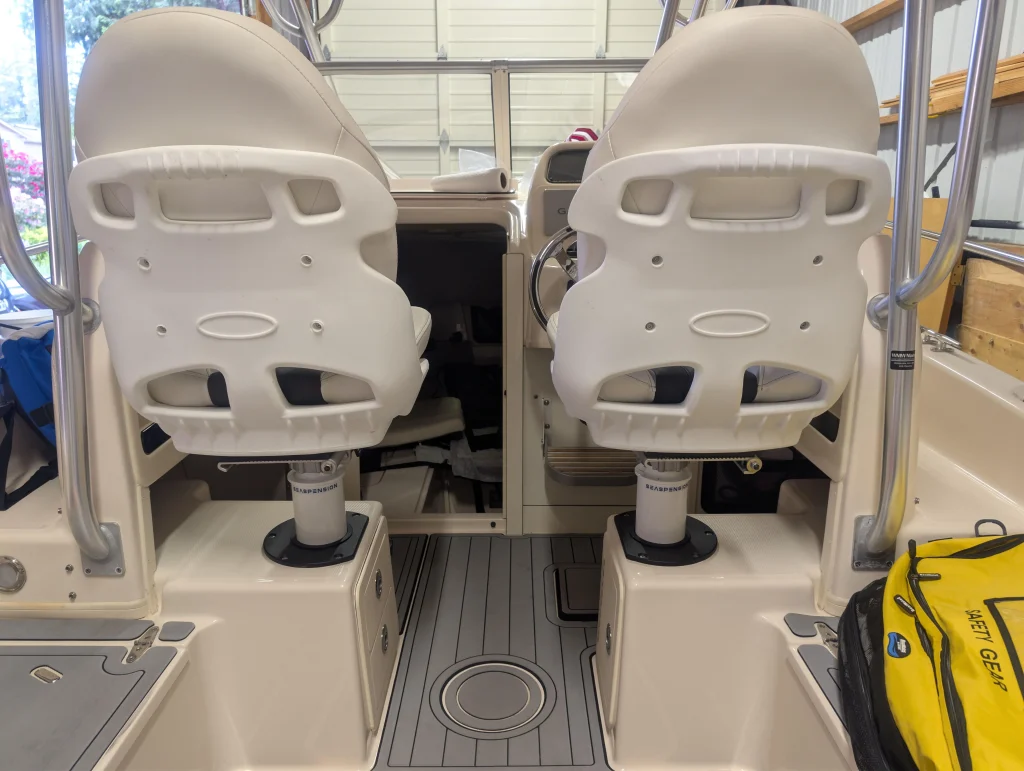
Hydraulic pedestals rely on an oil-filled cylinder with a piston. When a wave hits, the piston compresses fluid inside the cylinder, and that controlled compression and rebound spreads the impact over a longer, gentler curve. The result is a smooth, cushioned seat that stays composed even in choppy conditions.
Spring pedestals use metal springs instead. Weight and motion compress the springs, which store energy and release it gradually. It works, but under a sudden hard chop the release can feel bouncy rather than absorbed, since springs return energy faster than hydraulic fluid dissipates it.
Hydraulic boat seat pedestal systems tend to win on ride quality and upkeep:
Spring systems answer with a lower price tag and simpler installation, which matters for owners upgrading a budget-conscious boat. The trade-off: springs are more prone to rust if maintenance lapses, and the ride firms up quickly under sharp impacts, exactly the conditions where comfort matters most.

The right pick depends less on brand and more on how you actually use the boat:
Marine law enforcement and commercial crews lean toward hydraulic for exactly this reason: fewer jarring impacts mean sharper focus during high-speed maneuvers, and less cumulative strain across a full shift.
Hydraulic pedestals ask for little: check fluid levels periodically, inspect seals for leaks, and lubricate moving parts on schedule. Spring systems need more hands-on attention: regular rust checks, tension adjustments, and cleaning of exposed metal components after saltwater exposure. Whichever technology you choose, the boat suspension pedestal category is worth browsing before you commit, since fit and mounting compatibility vary as much across models as the suspension type itself. For a deeper look at how these systems stack up against fixed seating, our guide to shock-absorbing boat seat pedestals breaks down the full comfort and safety case. And if you're installing for the first time, our step-by-step installation guide walks through mounting and compatibility checks before you head out.
Rough water turns a boat ride into a workout for your spine. The fix usually comes down to one choice: hydraulic or spring suspension inside your boat seat pedestals. Each technology absorbs shock differently, and that difference shapes comfort, maintenance, and cost for years of use.
Hydraulic pedestals rely on an oil-filled cylinder with a piston. When a wave hits, the piston compresses fluid inside the cylinder, and that controlled compression and rebound spreads the impact over a longer, gentler curve. The result is a smooth, cushioned seat that stays composed even in choppy conditions.
Spring pedestals use metal springs instead. Weight and motion compress the springs, which store energy and release it gradually. It works, but under a sudden hard chop the release can feel bouncy rather than absorbed, since springs return energy faster than hydraulic fluid dissipates it.
Hydraulic boat seat pedestal systems tend to win on ride quality and upkeep:
Spring systems answer with a lower price tag and simpler installation, which matters for owners upgrading a budget-conscious boat. The trade-off: springs are more prone to rust if maintenance lapses, and the ride firms up quickly under sharp impacts, exactly the conditions where comfort matters most.
The right pick depends less on brand and more on how you actually use the boat:
Marine law enforcement and commercial crews lean toward hydraulic for exactly this reason: fewer jarring impacts mean sharper focus during high-speed maneuvers, and less cumulative strain across a full shift.
Hydraulic pedestals ask for little: check fluid levels periodically, inspect seals for leaks, and lubricate moving parts on schedule. Spring systems need more hands-on attention: regular rust checks, tension adjustments, and cleaning of exposed metal components after saltwater exposure. Whichever technology you choose, the boat suspension pedestal category is worth browsing before you commit, since fit and mounting compatibility vary as much across models as the suspension type itself. For a deeper look at how these systems stack up against fixed seating, our guide to shock-absorbing boat seat pedestals breaks down the full comfort and safety case. And if you're installing for the first time, our step-by-step installation guide walks through mounting and compatibility checks before you head out.