A smooth ride starts long before the hull hits a wave. It starts with the seat underneath you, and specifically with how well your boat seat pedestals absorb impact before it reaches your spine.
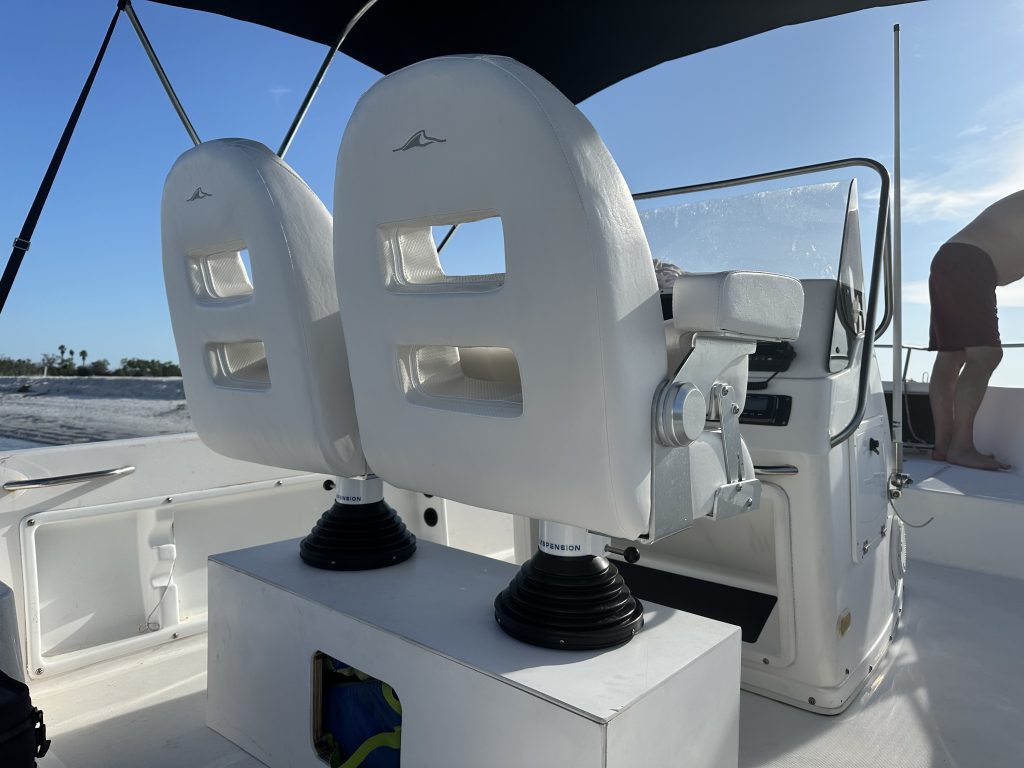
Three suspension technologies do most of the work in modern marine seating:
Each has a place. The right choice depends on how rough your typical water is and how much you're willing to spend to smooth it out.
A pedestal that performs well on day one but corrodes by month six isn't solving the comfort problem; it's deferring it. Marine-grade metals and weather-resistant polymers resist the corrosion and wear that saltwater, sun, and constant wet-dry cycling cause. That durability is what keeps a shock-absorbing boat seat performing consistently instead of degrading trip by trip.

Absorbing shock is only half the job. The rest comes down to ergonomics:
Combined with good shock absorption, these elements separate a seat that merely tolerates rough water from one built for it.
Marine law enforcement and commercial operators feel the difference most directly: steadier seating supports faster reaction time and sharper focus during high-speed maneuvers, exactly when it matters. Recreational boaters and anglers benefit differently, mainly through reduced fatigue on long fishing trips or family outings, where comfort determines how long everyone actually wants to stay out.
Match the pedestal to three factors: vessel type, typical water conditions, and the range of passenger weights the seat needs to accommodate. From there, upkeep is straightforward:
For a closer look at how these systems stack up against traditional fixed pedestals, see our guide to shock-absorbing boat seat pedestals. If you're weighing specific models, our best boat seat pedestals roundup compares top options directly, and the full pedestal category is the place to check compatibility before you buy.
A smooth ride starts long before the hull hits a wave. It starts with the seat underneath you, and specifically with how well your boat seat pedestals absorb impact before it reaches your spine.
Three suspension technologies do most of the work in modern marine seating:
Each has a place. The right choice depends on how rough your typical water is and how much you're willing to spend to smooth it out.
A pedestal that performs well on day one but corrodes by month six isn't solving the comfort problem; it's deferring it. Marine-grade metals and weather-resistant polymers resist the corrosion and wear that saltwater, sun, and constant wet-dry cycling cause. That durability is what keeps a shock-absorbing boat seat performing consistently instead of degrading trip by trip.
Absorbing shock is only half the job. The rest comes down to ergonomics:
Combined with good shock absorption, these elements separate a seat that merely tolerates rough water from one built for it.
Marine law enforcement and commercial operators feel the difference most directly: steadier seating supports faster reaction time and sharper focus during high-speed maneuvers, exactly when it matters. Recreational boaters and anglers benefit differently, mainly through reduced fatigue on long fishing trips or family outings, where comfort determines how long everyone actually wants to stay out.
Match the pedestal to three factors: vessel type, typical water conditions, and the range of passenger weights the seat needs to accommodate. From there, upkeep is straightforward:
For a closer look at how these systems stack up against traditional fixed pedestals, see our guide to shock-absorbing boat seat pedestals. If you're weighing specific models, our best boat seat pedestals roundup compares top options directly, and the full pedestal category is the place to check compatibility before you buy.